The Evolution of Dance Attire: A Blend of Function and Fashion
Dance attire plays a significant role in both the performance and practice of various dance styles. It is designed to allow maximum freedom of movement, comfort, and flexibility, while also adhering to cultural and aesthetic norms. Dance clothing has evolved over time to reflect the changes in dance itself, from formal and restrictive costumes to the more casual and expressive garments seen in contemporary dance. Here is an overview of dance attire and its evolution through the years.
1. Ballet Attire: Tradition Meets Technique
Origin: Developed in the 16th and 17th centuries, ballet attire has remained largely traditional due to the technical and formal nature of ballet.
- Leotards and Tights: In ballet, leotards and tights are the essential pieces of attire for dancers. The leotard, typically a fitted one-piece garment, allows for a full range of motion. Tights are worn underneath to provide coverage and to show the dancer’s form and technique. These garments allow the teacher to see the dancer’s body alignment clearly, which is essential for teaching and correction.
- Tutús: A tutu is the iconic skirt worn by female ballet dancers. There are several styles of tutus, such as the Classical Tutu (the stiff, bell-shaped skirt) and the Romantic Tutu (which is softer and longer). These tutus are worn for both performances and formal training.
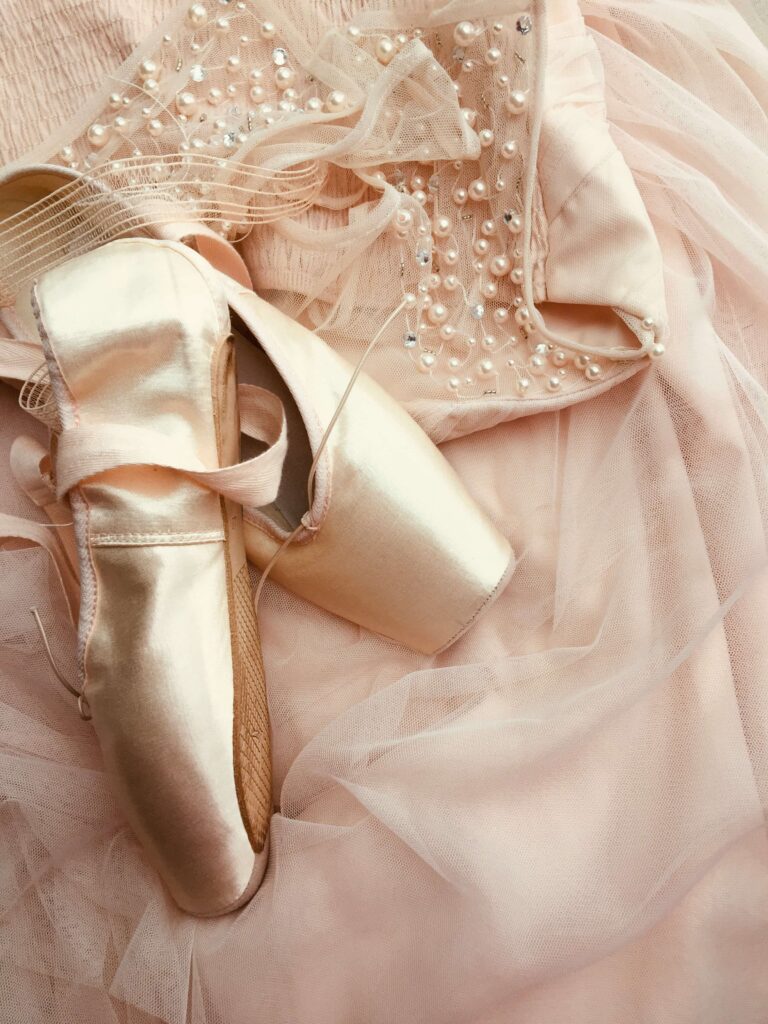
- Pointe Shoes: Pointe shoes are a distinctive part of ballet attire. They have a reinforced toe that allows the dancer to stand en pointe (on the tips of their toes), a hallmark of classical ballet.
- Ballet Slippers: These soft shoes are worn by ballet dancers in practice to allow for flexibility and comfort. The shoes have no hard sole and are typically made of satin or canvas.
2. Contemporary Dance Attire: Freedom of Expression
Origin: Emerging in the early 20th century as a response to the rigid structure of classical ballet, contemporary dance attire is more relaxed and individualistic.
- Leotards, Tank Tops, and T-Shirts: Contemporary dancers typically wear leotards or form-fitting tops to maintain freedom of movement, but the style can range from sleek, modern looks to more casual choices like tank tops or T-shirts.
- Pants and Shorts: Unlike ballet, contemporary dancers often wear loose-fitting pants or shorts to allow for greater flexibility and comfort. Styles like leggings, joggers, and capris are popular.
- Bare Feet or Dance Sneakers: Many contemporary dancers perform barefoot to maintain a direct connection with the floor, but some styles of contemporary dance also include dance sneakers or other footwear for added support.
3. Jazz and Hip-Hop Attire: High Energy and Movement
Origin: Jazz and hip-hop dance attire is inspired by the high-energy, expressive nature of the dances themselves. These styles require clothes that allow freedom and flexibility while reflecting the culture and attitude of the dance.
- Jazz Dance Attire: Dancers in jazz classes typically wear leotards, tights, or form-fitting tops and shorts to ensure full range of movement. Some dancers may opt for more relaxed outfits like tank tops and leggings, depending on the choreography or routine.
- Hip-Hop Dance Attire: Hip-hop fashion is synonymous with street culture and individuality. Baggy pants, oversized T-shirts, hoodies, and sneakers are the standard attire for hip-hop dancers. The loose clothing allows for freedom in popping, locking, and breaking movements. Accessories like hats, chains, and caps are also often incorporated into hip-hop attire, adding to the style’s urban edge.
4. Latin and Ballroom Dance Attire: Elegance and Glamour
Origin: Latin and ballroom dance have a long history in Europe and Latin America, where attire plays an essential role in adding elegance and drama to the performance.
- Ballroom Dresses and Suits: In competitive ballroom dance, dancers wear formal outfits that reflect the sophistication of the dance. Women often wear flowing dresses made of satin, chiffon, or sequins, while men wear tuxedos or dress shirts with tailored pants.
- Latin Dance Costumes: For Latin dances like salsa, cha-cha, and tango, female dancers typically wear form-fitting, revealing dresses that allow for freedom of movement and highlight the dramatic movements of the dance. These costumes are often adorned with fringe, sequins, and beads, adding flair to the performance. Men may wear fitted shirts with trousers or costumes designed for flexibility and comfort.
- Footwear: Both male and female dancers wear specialized shoes in ballroom and Latin dance. These shoes feature suede soles, allowing for smooth gliding and controlled spins on the floor. Women’s shoes often have heels to enhance the dancer’s posture and style, while men’s shoes tend to be lower and more practical for footwork.
5. Folk Dance Attire: Cultural Expression Through Clothing
Origin: Folk dance attire varies widely depending on the culture and region but often reflects the traditions, history, and aesthetics of a particular people or place.
- Traditional Costumes: In many folk dances, dancers wear costumes that are deeply connected to their cultural heritage. For example, Irish dancers wear kilts, dresses with intricate embroidery, and hard shoes, while dancers of Spanish flamenco wear colorful dresses with ruffles, shawls, and lace.
- Footwear: Footwear is often a critical component of folk dance attire. For instance, in flamenco, dancers wear special shoes with nails in the sole to create rhythmic sounds, while in ballet folklórico, the shoes have heels that allow for stomping and tapping.
- Regional Variations: From the colorful saris and dupattas worn in Indian classical dances to the brightly colored dresses and aprons worn in Bavarian folk dances, the attire often tells a story and honors the history and culture of the dance.
6. Street Dance and Performance Attire: Comfort and Style
Origin: Street dance, also known as urban or vernacular dance, encompasses a wide range of styles, such as breaking, locking, and popping. Street dance attire is often inspired by hip-hop culture and focuses on comfort, freedom, and individuality.
- Casual and Athletic Wear: Street dancers often wear comfortable, loose-fitting clothes like baggy pants, sweatshirts, tank tops, and sneakers. The clothing allows for movement and performance without restriction, often reflecting the style and rhythm of the music.
- Customization: As street dance culture is deeply tied to individuality and personal expression, dancers often customize their attire with accessories, colors, or graphics that reflect their unique style or the crew they belong to.
7. Practice Wear vs. Performance Wear
While attire for different types of dance often reflects style and function, there is an important distinction between practice wear and performance wear.
- Practice Wear: Practice wear is designed for comfort and flexibility, allowing dancers to move freely and focus on technique. For example, in ballet, leotards and tights are common, while in contemporary dance, leggings and tank tops are more typical.
- Performance Wear: Performance costumes, on the other hand, are designed to enhance the visual impact of the dance. These garments often include sequins, fringe, and embellishments that sparkle under stage lights. They also serve to evoke specific themes or characters within a piece of choreography.
Conclusion: The Role of Dance Attire in Movement and Expression
Dance attire is more than just clothing—it’s an integral part of the dance experience, allowing for freedom of movement, supporting the dancer’s technique, and contributing to the artistic expression of the performance. Whether it’s the structured elegance of ballet tutus, the relaxed fit of contemporary wear, or the cultural richness of folk costumes, each style of dance brings with it a unique wardrobe designed to support the dancer’s craft while also expressing the essence of the dance itself. As dance continues to evolve, so too will the attire, always blending function with fashion to inspire the next generation of dancers.