The Beauty and Complexity of Ballet: A Timeless Art Form
Ballet is a refined and expressive art form that combines athleticism with grace, storytelling with movement, and passion with precision. Originating in the courts of the Italian Renaissance, ballet evolved over centuries into the sophisticated and intricate dance genre we recognize today. From its historical roots to modern-day performances, ballet continues to captivate audiences worldwide with its combination of artistry, discipline, and emotion.
The Origins of Ballet
Ballet first emerged in the early 15th century during the Italian Renaissance, particularly at the courts of the Medici family. Initially, ballet was performed as a social event for the elite, with extravagant costumes and ornate choreography. The term “ballet” itself comes from the Italian word ballare, meaning “to dance.” As it traveled to France and Russia, ballet underwent significant transformation, particularly under the patronage of French King Louis XIV, who founded the Royal Academy of Dance in 1661. This was the first formal institution dedicated to teaching ballet, cementing its place in the classical arts.
The Evolution of Ballet Technique
Ballet is famous for its intricate and highly technical movements, which require years of training and dedication. The foundation of classical ballet is its five positions of the feet, which form the basis of most movements. These positions are:
- First position – Heels together, toes pointing outward.
- Second position – Feet turned outward, slightly apart.
- Third position – One foot in front of the other, with the heel of the front foot against the arch of the back foot.
- Fourth position – One foot forward and the other foot a few inches behind, creating a narrow stance.
- Fifth position – Feet together with one foot completely in front of the other.
Ballet’s classical technique emphasizes balance, flexibility, and strength. Dancers often execute movements such as pirouettes (spins), arabesques (graceful poses on one leg), and jumps like the saut de chat (a leap where the dancer’s legs bend and extend in mid-air). The elegance of ballet masks the immense physical exertion and strength required, as dancers must possess both fluidity and control in every step.
Ballet as Storytelling
While ballet is often seen as a purely technical art, it is also deeply connected to storytelling. Ballet performances traditionally center on narratives, often drawn from mythology, folklore, or literature. One of the most iconic ballets, Swan Lake by Pyotr Ilyich Tchaikovsky, tells the story of a princess who is transformed into a swan by a curse. The dancers’ movements, accompanied by a carefully composed score, convey the emotions and plot of the story.
In the 20th century, many choreographers began pushing the boundaries of ballet, sometimes abandoning traditional narrative structures in favor of more abstract forms of expression. Famous choreographers such as George Balanchine and Martha Graham revolutionized ballet by introducing contemporary themes and experimenting with new movement vocabularies. However, even in the most avant-garde works, the essence of ballet—its power to communicate complex emotions through movement—remains intact.
Ballet Companies and Performances
Around the world, major ballet companies are at the forefront of keeping the art form alive. The Bolshoi Ballet in Russia, the Paris Opera Ballet in France, and the Royal Ballet in the UK are among the most renowned institutions for classical ballet. These companies perform both the revered classical works like The Nutcracker and Sleeping Beauty, and also commission new, contemporary works that challenge and expand the tradition of ballet.
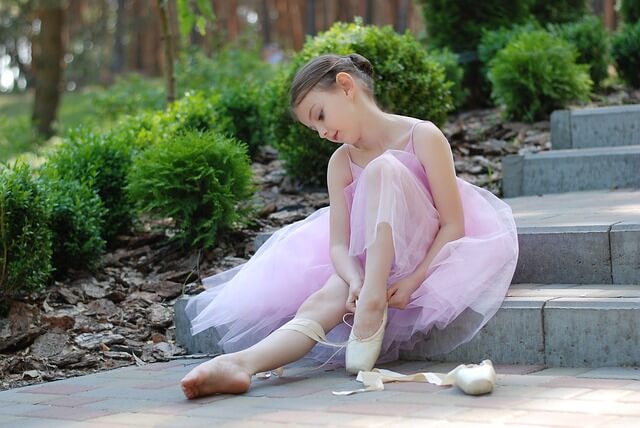
Performances often take place in grand theaters, with elaborate sets and costumes, further enhancing the spectacle of ballet. The ballet dancer’s attire, including the iconic tutu, pointe shoes, and tights, is not only functional but also adds to the visual appeal, making the dancer appear weightless, floating across the stage.
The Role of Ballet in Modern Culture
Though ballet has deep historical roots, it continues to thrive in the modern world. Ballet dancers, with their rigorous training and artistry, remain highly respected athletes and artists. Ballet is frequently incorporated into modern dance, film, and other forms of artistic expression. Additionally, ballet companies around the world have worked to make the art form more accessible to diverse audiences by introducing outreach programs, educational initiatives, and performances in non-traditional venues.
Contemporary choreographers continue to explore the boundaries of ballet, blending it with other dance styles, technology, and new forms of performance art. The continued evolution of ballet ensures that the art form remains relevant, breathing new life into its timeless tradition.
Conclusion
Ballet is a fusion of athleticism, artistry, and storytelling that captivates audiences across generations. From its origins in the courts of the Italian Renaissance to its global presence today, ballet has grown and transformed, pushing the boundaries of what it means to dance. Despite its evolution, ballet remains grounded in its commitment to beauty, precision, and expression—qualities that continue to define it as one of the most exquisite and challenging art forms in the world.