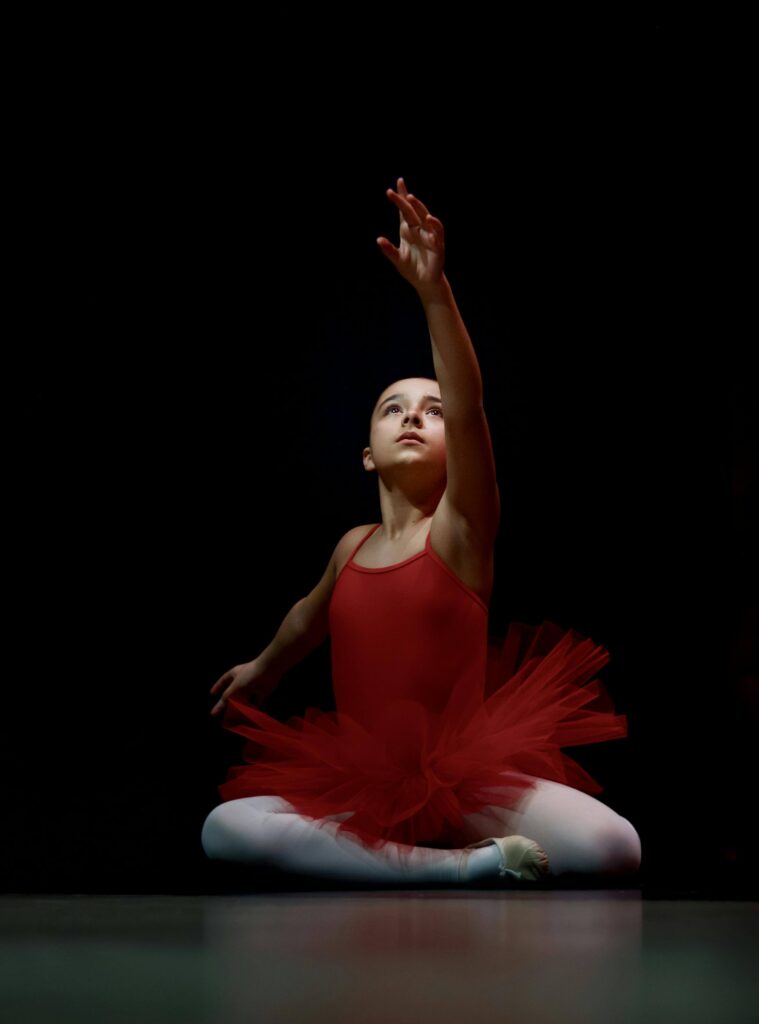
The history of dance spans thousands of years, evolving through various cultural, social, and artistic influences. From its beginnings as a form of ritual and communication to its modern-day status as both an art form and entertainment, dance has always played a vital role in human expression. Below is a broad overview of the history of dance:
Ancient Dance
Dance likely began in prehistoric times as a form of ritual and spiritual expression. Early human societies used dance in religious ceremonies, for storytelling, and as a form of entertainment. In many ancient cultures, dance was closely tied to religious worship and community events.
- Egypt: Ancient Egyptians used dance in religious rituals, and it was often seen in tomb paintings, signifying its importance in life and the afterlife. The dances were performed by priests or dancers in temples.
- Greece: Dance was central to Greek culture, especially in religious ceremonies, such as those honoring gods like Dionysus. Greek theater also incorporated dance, with choreographed movements complementing the spoken word.
- India: Indian classical dance has a rich tradition that goes back over 2,000 years. It originated as a form of storytelling through intricate body movements, hand gestures (mudras), and facial expressions in connection with religious narratives. Bharatanatyam, Kathak, and Kathakali are some of the classical styles that emerged.
- Africa: Dance in African cultures was and continues to be a vital part of rituals, rites of passage, and celebrations. It varies by region, but dance in Africa is often communal, involving rhythmic movements and drumming.
Medieval and Renaissance Dance
During the medieval period (5th–15th centuries), dance in Europe evolved from ritualistic movements to more courtly, social forms. In the early Middle Ages, dance was mostly communal, taking place during festivals or as part of church processions.
- Court Dances: In the Renaissance period (14th–17th centuries), court dances such as the pavane, galliard, and branle became formalized in royal courts across Europe. These dances were highly structured and symbolized status and grace.
- Ballet Origins: The Italian Renaissance saw the emergence of ballet as a highly formalized form of dance. It was first performed in royal courts, with notable figures such as Catherine de Medici and King Louis XIV playing key roles in developing ballet. Ballet began to shift from a social activity to a professional art form.
Baroque to Classical Period
- Baroque Dance: The 17th and 18th centuries saw the height of baroque dance, with its highly stylized, formal movements. The development of the “ballet de cour” in France was crucial in shaping the future of classical ballet. The choreography was complex, with dancers often performing as part of court entertainments.
- Classical Ballet: In the 18th century, ballet developed into a more structured form of performance art. Famous ballets such as Swan Lake and The Nutcracker were created during this time. The inclusion of more acrobatic movements, leaping, and turning contributed to the evolution of ballet’s technical precision.
Romantic Ballet and Modern Dance
The 19th century marked a shift in dance toward romanticism, with the creation of expressive, emotionally charged works in ballet, such as Giselle and La Sylphide. During this time, the romantic tutu (a bell-shaped skirt) was introduced, and ballerinas began to perform en pointe (on their toes), creating an ethereal look.
- Modern Dance Emerges: The late 19th and early 20th centuries saw a rejection of the rigid constraints of classical ballet. Figures like Isadora Duncan, Loie Fuller, and Ruth St. Denis broke free from classical ballet’s traditions and introduced more natural, expressive movements. These pioneers helped shape modern dance, emphasizing freedom of movement, emotional expression, and personal style over technical perfection.
- Martha Graham, one of the most influential figures in modern dance, revolutionized the art form by developing the “contraction and release” technique, which is still used in contemporary dance.
20th Century: Popular Dance Forms
As the 20th century unfolded, new social, cultural, and technological changes had a profound impact on dance. The introduction of jazz, tap, and ballroom dance, alongside the rise of popular music genres, helped make dance more accessible to the masses.
- Jazz Dance: Emerging in the early 20th century, jazz dance was influenced by African American social dances and the rhythms of jazz music. It was characterized by improvisation and syncopated movements.
- Tap Dance: Originating in the African American communities of the United States in the 19th century, tap dance became a major part of Broadway shows in the 1920s and 1930s. It involves rhythmical tapping of the feet and is closely linked with jazz music.
- Ballroom Dance: Social dances like the waltz, tango, and foxtrot became popular in ballrooms across Europe and the Americas in the 19th and early 20th centuries. These dances were formal and structured, with specific steps and rhythms.
- Contemporary Dance: The late 20th and 21st centuries saw the development of contemporary dance, which blends elements of modern dance, ballet, jazz, and hip-hop. It focuses on creative expression, and it often crosses traditional boundaries. Influential choreographers like Alvin Ailey, Pina Bausch, and Merce Cunningham shaped the landscape of contemporary dance.
21st Century: Dance in the Digital Age
Today, dance is a global phenomenon that continues to evolve in both traditional and innovative ways. Dance competitions like So You Think You Can Dance, Dancing with the Stars, and viral dance trends on platforms like TikTok have contributed to dance’s widespread popularity.
- Social Media and Dance: Social media platforms like Instagram and TikTok have played an essential role in the globalization of dance. These platforms allow dancers to share their performances and choreography with a massive audience, leading to viral trends and new forms of dance.
- Hip-Hop and Street Dance: Originating in the 1970s in the United States, hip-hop dance and its various styles (breaking, locking, popping) have become mainstream, influencing both popular and professional dance.
- Dance on Screen: With the rise of film and television, dance has also evolved through its presence in movies, music videos, and live television performances. Famous choreographers like Bob Fosse and Twyla Tharp contributed to dance on film, while iconic moments like Michael Jackson’s “Thriller” music video or Beyoncé’s stage performances continue to showcase dance’s cultural significance.
Conclusion
From ancient ritual to contemporary street styles, dance has remained a powerful form of human expression. It has always reflected the cultural, social, and political climates of its time, while continuously evolving to include new ideas, styles, and technologies. Whether in a theater, on the street, or on social media, dance continues to play a vital role in shaping and reflecting the human experience.